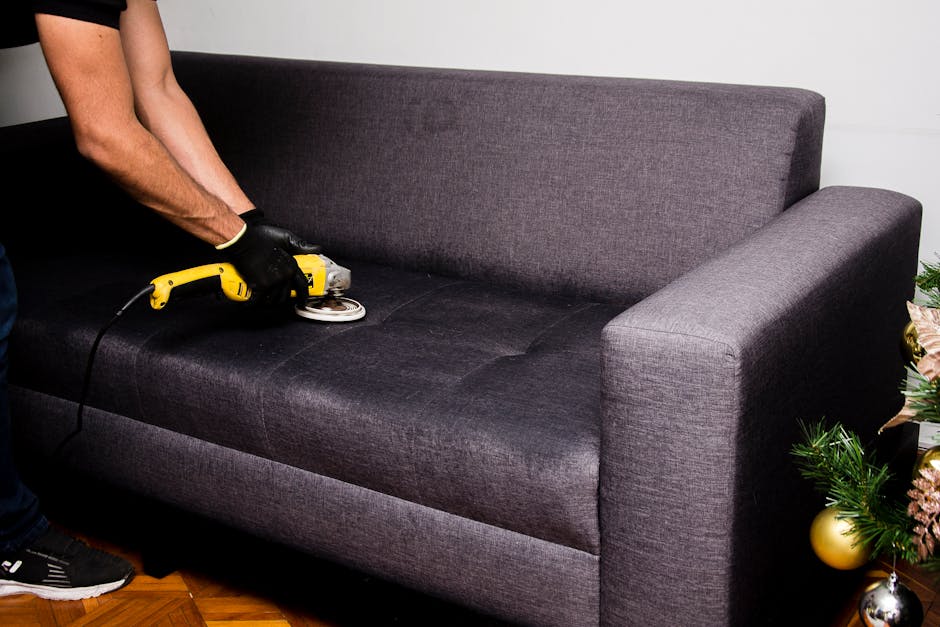
Osterley Park Upholstery Cleaning for Local Homes: A Practical Guide to Cleaner Sofas, Chairs and Fabric Furniture
If your sofa is looking a little tired, your armchair has picked up daily-life marks, or a dining chair has that faint mystery stain that nobody wants to claim, you are in the right place. Osterley Park upholstery cleaning for local homes is about more than making fabric look nicer for a weekend. Done properly, it helps remove dirt, odours, allergens and the slow build-up that creeps into furniture over time. In a family home, that matters. In a busy flat, even more so. And if you have pets, well, let's face it, the furniture usually knows.
This guide explains how upholstery cleaning works, what benefits to expect, when it makes sense, what to avoid, and how to choose the right approach for your home. You will also find a simple checklist, a comparison of common methods, and a realistic example of how a local home might tackle the job without making a fuss of it.
Why Osterley Park upholstery cleaning for local homes Matters
Upholstery lives a hard life. It catches dust from open windows, crumbs from snacks, pet hair, pollen, body oils, and the occasional drink spill that seemed harmless at the time. In homes around Osterley Park, where people often want to keep interiors comfortable and welcoming, the furniture can be one of the first places that starts to look dull before the rest of the room does.
There is also a practical side that people sometimes miss. Upholstery fibres can trap fine debris even when a sofa still looks "fine from a distance". That hidden build-up can affect the feel of the fabric, the smell of the room, and the general freshness of the home. You notice it most when the weather changes, the heating comes on, or visitors sit down and the room has that not-quite-clean edge. Not dramatic. Just annoying enough.
Professional upholstery cleaning is especially useful when you want to protect the life of the furniture rather than replacing it too early. A well-kept sofa or chair often lasts longer, feels better to use, and presents much better in a family home. If you are comparing broader household care, it can also make sense to look at related services such as sofa cleaning, rug cleaning or even curtain cleaning when the whole room needs a reset.
Practical takeaway: if your furniture is used daily, cleaning is not a luxury add-on. It is basic maintenance, much like washing bedding or cleaning carpets. Maybe not glamorous, but very sensible.
How Osterley Park upholstery cleaning for local homes Works
Upholstery cleaning usually begins with a careful inspection. A technician identifies the fabric type, the condition of the piece, any staining, and any delicate trims or features that need caution. This is important because upholstery is not one-size-fits-all. A cotton blend chair, a synthetic sofa, and a wool-rich fabric all behave differently when cleaned.
The next step is typically dry soil removal. This means vacuuming thoroughly, including seams, creases and under cushions, because loose dirt can turn into muddy residue if it is left behind. After that, the cleaning method is selected based on the fabric and the amount of soiling. For many homes, a low-moisture or hot-water extraction style process is used, though some fabrics call for gentler treatment. If the wrong method is used, you can end up with over-wetting, texture changes or slow drying. Nobody wants a damp sofa that smells odd by tea-time.
Spot treatment often follows. This is where stubborn marks like food spills, drink stains, makeup transfer or pet-related marks get extra attention. Services such as stain removal and pet stain odour removal can be especially useful when the issue is more than everyday dust.
Finally, the upholstery is cleaned and left to dry under suitable conditions. Drying time varies depending on the fabric, airflow, temperature and method used. In a typical home, the goal is a clean finish with as little disruption as possible, not an all-day operation. Sometimes a chair is ready surprisingly quickly; sometimes thicker fabrics need a bit of patience. Fair enough.
Key Benefits and Practical Advantages
There are several good reasons homeowners choose upholstery cleaning, and they are not all visual. Yes, the sofa looks better. But that is only part of it.
- Improved appearance: colours look fresher, fabric loses that greyed-out look, and small marks become less obvious.
- Better freshness: cleaning can reduce stale smells from cooking, pets, and everyday use.
- More comfortable living spaces: a clean sofa simply feels nicer to sit on. You notice it the moment you sink in.
- Fabric care: regular cleaning helps prevent heavy soil from wearing fibres down prematurely.
- Allergen reduction support: while no cleaning service can promise a health cure, removing dust and debris can help make a room feel cleaner and easier to live in.
- Better stain management: treating marks early often stops them setting more deeply.
There is also a straightforward resale and presentation benefit. If you are hosting guests, preparing a home for sale, or just trying to make the living room look pulled together, upholstery cleaning can change the whole feel of the space. A tired corner sofa can make an entire room seem neglected. Clean that one item properly and suddenly the room breathes again.
For households that also care about how services are delivered, it may be reassuring to review practical business information such as insurance and safety, health and safety policy and recycling and sustainability. These are not just corporate extras; they help set expectations about how work is handled in a real home.
Who This Is For and When It Makes Sense
Upholstery cleaning is a good fit for a wide range of local homes, but it becomes especially sensible in a few common situations.
- Families with children: snacks, juice, crayons and the odd muddy hand leave their mark. Naturally.
- Homes with pets: hair, dander and odour build up quickly on soft furnishings.
- Older furniture you want to keep: if the frame is fine but the fabric looks worn, cleaning can buy time before replacement.
- After a spill or accident: fast action can improve the chance of a better result.
- Before a special occasion: if guests are coming or you want the home to feel sharper, cleaning can make a real difference.
- After a renovation or dusty period: fine dust can settle into fabric and make everything feel grimy.
It also makes sense when you can no longer ignore odour. That can happen slowly, which is the tricky bit. One day the room just feels a bit stale, and no amount of opening the window seems to fix it. That is usually when upholstery deserves attention.
If you are weighing up whether to clean one item or the whole room, think about use patterns. A main family sofa and the two favourite chairs often need more attention than a guest-room chair. Start with the pieces you use most. That is usually the honest answer.
Step-by-Step Guidance
1. Identify the fabric and care labels
Check the furniture label or manufacturer guidance if you can. Some fabrics are more forgiving than others. The label may help indicate whether the item prefers water-based cleaning, solvent-based cleaning, or a very cautious approach. If the label is missing, a professional inspection becomes even more important.
2. Vacuum thoroughly before any wet cleaning
Loose dirt should be removed before cleaning begins. This helps avoid turning dust into smear marks. Focus on seams, piping, armrests, and the area between cushions. It is a small step, but it changes the result more than people expect.
3. Test a discreet area
A small hidden patch is often checked first. That helps confirm the fabric reacts well to the cleaning solution and method. It sounds basic, but skipping this can create avoidable problems.
4. Pre-treat stains and high-traffic areas
Armrests, seat fronts and headrest areas collect more body oils and grime than the rest of the piece. Pre-treatment can help loosen soil before the main clean. Spot issues such as pet marks or food stains may need targeted attention rather than a general wash.
5. Use the right cleaning method
Depending on the fabric, a technician might use low-moisture cleaning, hot-water extraction, foam-based treatment or a more delicate approach. The right method depends on how much soil is present and what the material can safely tolerate.
6. Allow proper drying and ventilation
Clean upholstery should dry in a sensible timeframe with good airflow. Open windows where practical, keep the room ventilated, and avoid using the furniture until it is ready. Rushing this stage is a common mistake. Truth be told, people hate waiting, but waiting prevents issues.
7. Maintain it after cleaning
Once the furniture is clean, regular vacuuming and prompt spot treatment help keep it that way. If your home also needs hard-surface refresh work, it can help to coordinate upholstery cleaning with carpet cleaning so the room feels evenly refreshed rather than half-done.
Expert Tips for Better Results
Good upholstery care is mostly about consistency and timing. A few small habits make a surprisingly big difference.
- Act quickly on spills: blot, don't rub. Rubbing pushes liquid deeper and can distort the pile.
- Rotate cushions where possible: this spreads wear and helps avoid one sunken side.
- Vacuum weekly in busy homes: even five minutes helps.
- Keep food and drinks sensible on soft furniture: nobody is perfect, but a little caution saves a lot of grief.
- Use throws carefully: they can help protect surfaces, but dusty throws can also trap dirt if never washed.
- Book cleaning before the fabric looks obviously bad: prevention is easier than rescue cleaning.
A useful rule of thumb is this: if you can see the stain clearly, you have probably waited longer than ideal. That does not mean all is lost, not at all, but quicker attention usually gives better outcomes. And if the issue is a very specific mark, ask for a targeted approach rather than a general clean. It sounds minor, but it matters.
For homes with mixed furnishings, remember that not every soft surface needs the same treatment. A sofa, a rug and a mattress all behave differently, which is why services like mattress cleaning and rug cleaning can be useful companions to upholstery care when the whole home needs a proper reset.
Common Mistakes to Avoid
Most upholstery damage during cleaning does not come from the furniture itself. It comes from rushed decisions.
- Using too much water: over-wetting can leave marks, extend drying time and sometimes create odour issues.
- Scrubbing aggressively: this can fray fibres, spread stains and change the texture.
- Ignoring fabric type: what works on one material may damage another.
- Using strong household cleaners without testing: some products bleach colour or leave sticky residues.
- Cleaning only the visible stain: spot cleaning without blending the surrounding area can leave a noticeable ring.
- Putting cushions back too soon: trapped moisture is never your friend.
There is also a subtle mistake people make with expectations. They assume every old mark should vanish completely. Sometimes that happens, and sometimes it does not. Age, prior treatment and fabric type all play a part. A trustworthy cleaner should say that plainly rather than pretending otherwise. That honesty matters.
If you want to understand a company's working standards before booking, the pages on terms and conditions, privacy policy and payment and security can help you feel more comfortable about the process.
Tools, Resources and Recommendations
For most households, the best resources are simple ones. You do not need a cupboard full of gadgets. In fact, half the time that creates more trouble.
- Vacuum with upholstery attachment: useful for regular maintenance and pre-clean preparation.
- Microfibre cloths: good for gentle blotting after a spill.
- Soft brush: helps lift surface debris without stressing fibres.
- White absorbent towels: handy for pressing moisture out of a fresh spill.
- Manufacturer care label: this is often the most overlooked resource in the house.
If the furniture is expensive, antique, or has tricky fabric, the safest recommendation is to avoid experimenting. A controlled, professional approach is usually the better route. For specialist fabric and decorative pieces, it may also be worth asking about related services like curtain cleaning if the room has a lot of soft surfaces collecting dust at the same time.
Expert summary: the best upholstery cleaning result comes from matching the method to the fabric, treating spots carefully, and drying properly. That is the core of it, really. Everything else is detail.
Law, Compliance, Standards, or Best Practice
For homeowners, upholstery cleaning is not usually about legal compliance in the strict sense. Still, there are sensible best-practice expectations worth keeping in mind, especially when work is being carried out in a lived-in home.
In the UK, responsible cleaning providers generally use clear terms, transparent pricing, and sensible safety procedures. If a company works in your home, it should be careful with equipment, avoid unnecessary risk, and communicate clearly about drying times, access needs and any fabric limitations. That is just good practice. Nothing fancy.
It is also reasonable to check whether the business has clear information on safety and service standards. For example, a homeowner may want to understand how a provider approaches insurance and safety and how complaints are handled if something does not go as expected. That kind of transparency is a sign of a business that takes its work seriously.
Where environmental impact matters to you, look for details on cleaning methods, waste handling and product use. Not every home will prioritise this in the same way, but it is fair to ask. Good providers should be able to explain their approach in plain English.
Options, Methods, and Comparison Table
Different upholstery cleaning methods suit different situations. Here is a straightforward comparison to help you make sense of the options.
| Method | Best for | Pros | Watch-outs |
|---|---|---|---|
| Vacuum-only maintenance | Routine upkeep between deeper cleans | Quick, low risk, keeps dust down | Will not remove embedded stains or odours |
| Low-moisture cleaning | Delicate fabrics and quicker drying needs | Less wetting, often convenient for homes | May need targeted stain work for tougher marks |
| Hot-water extraction | Heavily soiled upholstery, many synthetic fabrics | Strong deep-clean potential, good for grime | Drying time must be managed carefully |
| Foam or encapsulation-style treatment | Intermediate cleaning and maintenance cleans | Can be efficient and fabric-friendly | Suitability depends on fabric and soil level |
| Targeted stain treatment | Isolated marks and problem spots | Focused, practical, often essential | Not a substitute for full cleaning if the item is generally dirty |
The method matters, but the judgement matters more. A good cleaner does not force one process onto every job. They adapt. That is usually what separates a decent result from a frustrating one.
Case Study or Real-World Example
Picture a typical Osterley Park home: a family sofa in the living room, two dining chairs with visible arm marks, and a footstool that has picked up pet hair and a faint smell after months of daily use. Nothing dramatic, just a bit too lived-in.
The homeowner notices the room looks darker than it used to, especially in daylight. The issue is not one single stain. It is the general tiredness of the fabric. The solution is not a dramatic overhaul. It starts with a proper assessment, spot treatment on the high-traffic areas, and a careful clean matched to each item's fabric type.
After cleaning, the room does not suddenly look brand new in a showroom sense, because real homes are real homes. But the sofa looks lighter, the odour has eased, and the room feels more open when you walk in. That quiet improvement is often what people actually want. Not perfection. Just clean, comfortable, and not a bit embarrassing when friends drop by unannounced on a Sunday afternoon.
If the same household also has worn carpet in the sitting room, it can be efficient to coordinate the visit with steam carpet cleaning so the entire space is refreshed in one go. That is often more practical than treating each surface as a separate project.
Practical Checklist
Use this quick checklist before booking or cleaning upholstery in your home.
- Identify the main problem: dust, stains, smell, pet hair, or general dullness.
- Check the care label if it is still present.
- Vacuum cushions, seams, edges and creases thoroughly.
- Decide whether you need spot treatment, a full clean, or both.
- Ask about drying time and ventilation needs.
- Move small items, ornaments and fragile objects away from the cleaning area.
- Keep pets and children out of the area until the furniture is dry.
- Ask for clear pricing and what is included.
- Review service information such as pricing and quotes before confirming a booking.
- After cleaning, maintain the fabric with regular vacuuming and prompt spill care.
If you are not sure whether a piece can be safely cleaned, pause and ask. That single pause can save a lot of regret. Honestly, it is worth it.
Conclusion
Osterley Park upholstery cleaning for local homes is really about keeping the everyday parts of your house in good condition. Sofas, chairs, footstools and other soft furnishings take constant use, and over time they need more than a quick surface wipe. The right cleaning approach can improve appearance, reduce smells, help protect fabric and make your home feel genuinely more comfortable.
The key is to match the method to the material, handle stains carefully, and avoid the common mistakes that cause most problems. Once you understand the basics, it becomes much easier to decide what needs cleaning now and what can wait a little longer. Some jobs are simple. Some need a professional touch. That is just how real homes work.
Get a free quote today and see how much you can save.
And if you are still weighing it up, that is fine too. Sometimes the smartest thing is simply to start with the piece that bothers you most and take it from there. One clean sofa can change the feel of a room more than you might expect.
Frequently Asked Questions
How often should upholstery be cleaned in a local home?
It depends on use. A busy family sofa may need attention more often than a guest-room chair. In many homes, a deeper clean every so often plus regular vacuuming is a sensible rhythm. If spills, pets or heavy daily use are part of life, you may want it sooner.
Can upholstery cleaning remove old stains?
Sometimes, yes, but not always completely. The age of the stain, the fabric type and any previous cleaning attempts all matter. Old marks can be stubborn. A careful spot treatment can still improve them, but no one should promise miracles on a worn fabric that has been treated badly before.
Is upholstery cleaning safe for delicate fabrics?
It can be, if the method is chosen carefully. Delicate materials often need lower moisture, gentler chemicals or a more cautious process. This is why inspection and testing matter before any full clean begins.
How long does it take for upholstery to dry?
Drying time varies. Lightly cleaned items in a well-ventilated room may dry relatively quickly, while thicker fabrics or heavier soiling can take longer. Airflow helps. So does not sitting on the sofa too soon, tempting as it is.
Will upholstery cleaning remove pet smells?
It can reduce pet odour significantly when the smell is in the fabric and padding rather than from a deeper structural issue. If there has been urine or repeated accidents, targeted pet stain and odour treatment is often the better option.
Can I clean upholstery myself?
Yes, for light maintenance and small spills, provided you use the right approach and do not over-wet the fabric. But for delicate upholstery, deep stains, or heavily used furniture, professional cleaning is usually safer and more effective.
What should I do immediately after a spill?
Blot the area gently with a clean, absorbent cloth. Do not rub. Rubbing can push liquid further into the fibres and spread the stain. If possible, keep the area dry and avoid adding random household cleaners before you know what the fabric can tolerate.
Does upholstery cleaning help with allergies?
It can help reduce dust and debris in fabric, which may make the home feel fresher and easier to live in. It is not a medical treatment, of course, but cleaner soft furnishings are generally better than neglected ones.
Should I clean carpets and upholstery at the same time?
If both are looking tired, yes, that is often a smart move. It creates a more even result across the room and can be more convenient than splitting the job up. For some households, pairing upholstery work with carpet cleaning is the most practical route.
What affects the cost of upholstery cleaning?
Size, fabric type, level of soiling, stain complexity and the number of items all influence cost. Access and drying requirements can matter too. A clear quote should explain what is included, rather than leaving you to guess.
What if my furniture has a special finish or antique fabric?
Then caution is the sensible path. Older or specialist pieces may need a gentler method or may not be suitable for standard wet cleaning. If in doubt, ask for an assessment before booking anything. Better a careful decision than an expensive mistake.
How do I keep upholstery cleaner after a professional visit?
Regular vacuuming, quick spill response, cushion rotation and sensible everyday use go a long way. If pets are part of the household, a washable throw or routine hair removal can help too. Small habits really do stack up.